
There’s nothing worse than turning on the shower and realizing… there’s no hot water.
Whether it happens suddenly or gradually gets worse over time, a failing water heater is one of the most frustrating plumbing problems homeowners deal with.
The good news? In many cases, there are clear warning signs—and knowing what to look for can help you decide whether it’s a quick repair or time for a replacement.
Common Reasons Your Water Heater Isn’t Working
If your hot water has stopped (or isn’t working like it should), here are some of the most common causes:
1. No Hot Water at All
If you’re getting zero hot water, it could be due to:
- A failed heating element (electric units)
- A pilot light issue (gas units)
- A tripped breaker
- A faulty thermostat
👉 This is one of the most common—and often fixable—issues.
2. Water Isn’t Staying Hot
If your hot water runs out quickly, your system may be:
- Too small for your household
- Struggling with sediment buildup
- Experiencing a failing heating element
👉 This is especially common in older units.
3. Strange Noises from the Tank
Hearing popping, banging, or rumbling?
That’s usually caused by:
- Sediment buildup at the bottom of the tank
Over time, this buildup:
- Reduces efficiency
- Causes overheating
- Leads to internal damage
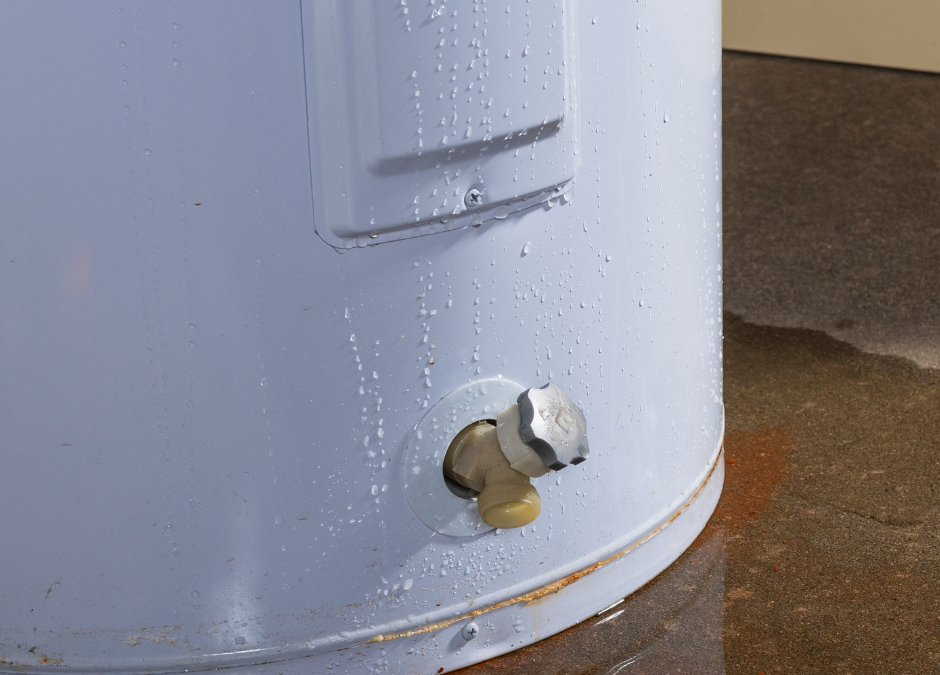
4. Leaks Around the Water Heater
Water pooling around your unit is never a good sign.
It could mean:
- A loose connection
- A failing valve
- Or a crack in the tank
👉 If the tank itself is leaking, replacement is usually the only option.
5. Rusty or Discolored Water
If your hot water looks brown or rusty, it could indicate:
- Corrosion inside the tank
- A failing anode rod
👉 This is often a sign your water heater is nearing the end of its lifespan.
Repair or Replace: How Do You Know?
One of the biggest questions homeowners ask is:
“Should I fix it—or replace it?”
Here’s a simple way to think about it:
Repair May Make Sense If:
- The unit is less than 8–10 years old
- The issue is minor (thermostat, heating element, pilot light)
- There are no leaks in the tank
Replacement Is Often the Better Option If:
- Your water heater is over 10 years old
- You’re dealing with repeated repairs
- The tank is leaking or corroded
- Energy bills are increasing
👉 In many cases, replacing an older unit can actually save money long-term.
Tank vs. Tankless: What’s the Difference?
If you do need a new water heater, you’ll likely hear about two options:
Traditional Tank Water Heaters
- Store hot water in a tank
- Lower upfront cost
- Reliable for most homes
Tankless Water Heaters
- Heat water on demand
- More energy-efficient
- Provide continuous hot water
👉 The right choice depends on your home, usage, and budget.
When to Call a Plumber Right Away
Some water heater issues shouldn’t wait.
Call a professional if you notice:
- No hot water at all
- Water leaking from the unit
- Burning smells or unusual noises
- Sudden drops in water pressure
👉 Waiting too long can lead to bigger (and more expensive) problems.
What NOT to Do
When your water heater isn’t working, it’s tempting to try a quick fix.
But avoid:
- Attempting major repairs yourself
- Ignoring leaks
- Letting sediment buildup go untreated
👉 Water heaters involve gas, electricity, and pressure—this is one area where professional help matters.
Don’t Wait Until It Completely Fails
Water heaters rarely fail without warning.
If you’re noticing:
- Less hot water
- Strange noises
- Rising energy bills
…it’s time to take a closer look.
Need Water Heater Repair in Dallas?
At U.S. Plumbing, we help homeowners quickly diagnose water heater issues and recommend the right solution—whether that’s a repair or a full replacement.
If your hot water isn’t working like it should, give us a call and get it fixed before it turns into a bigger problem.
Recent Comments